Buying Guide
The problem with big bursts
Most of us have tried the dramatic start. A new notebook, an ambitious plan, a promise to wake at five every morning. For a few days the energy is real, and then life interrupts. The plan was built for the best version of your week, and it collapses the first time you have a late night or a long meeting. That pattern is so common that it deserves a name: the intensity trap.
The alternative is quieter and less exciting to announce. You pick something small enough that it survives a bad day, and you do it again tomorrow. Over weeks, that small thing becomes part of who you are, rather than a project you are forever restarting. When it comes to focus and everyday recall, this humble approach is the one that tends to last.
Think about the last time you tried to change something all at once. The first morning felt wonderful and the third felt like a chore. Nothing was wrong with you; the plan simply asked for more than an ordinary week can give. Shrinking the ask is not giving up, it is designing for real life, with its commutes, deadlines, family plans and unexpected evenings.
Why small habits stick
Habits are easiest to keep when they are attached to something you already do. Drinking a glass of water after brushing your teeth, writing tomorrow's top three tasks before closing your laptop, or stepping outside after lunch are all examples. The existing routine acts as a cue, and the new habit rides along with almost no effort.
There is also a motivational benefit. Small wins feel good, and feeling good makes repetition easier. A ten-minute walk that you actually take is worth far more than a ninety-minute workout you only imagine. Success breeds success, and the confidence of keeping a promise to yourself spills over into the rest of your day.
Another trick is to make the habit obvious and tiny. Put your water bottle next to your keyboard. Leave your walking shoes by the door. Set a gentle reminder on your phone with a friendly message. The less you have to decide in the moment, the more likely the habit is to happen, and decisions made in advance are decisions you do not have to win against a tired mind.
What steady looks like for mental clarity
Mental clarity is shaped by a handful of ordinary things repeated daily. A regular sleep window, meals that include protein and colour, hydration, a bit of movement and short breaks from screens. None of these is dramatic, and each can be done at a modest level. The magic is in the accumulation.
Think about how a river carves a valley. It is not violent. It is simply persistent. Your routines work the same way, shaping the landscape of your days slowly and reliably. If you can give your attention, rest and nutrition a steady rhythm, many people find their days feel sharper and more manageable.
Notice also how this applies to learning and recall. Reviewing a few names or details for a couple of minutes each day tends to stick better than cramming for an hour once a week. Short, frequent practice gives everyday recall regular exercise, in the same way that a brisk daily walk does more for your legs than one punishing hike each season. Memosalt is meant to sit inside this kind of calm rhythm, not to replace it.
Where a supplement routine fits
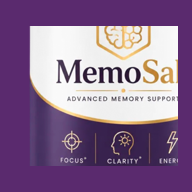
A supplement is another habit, and it follows the same rules. Memosalt is designed for steady daily use, and the suggested use is printed on the bottle label. That means the practical question is not how intensely you take it, but how reliably you build it into your day alongside everything else.
According to the brand, the eight ingredients, Bacopa monnieri, Alpha GPC, Phosphatidylserine, Huperzine A, L-Tyrosine, Niacin as niacinamide, Vitamin B6 and GABA, are included to support everyday memory, focus and mental clarity. Supporting is a gentle verb, and it suits a gentle, patient approach. Follow the label as written and avoid the urge to do more than it says.
Practical ways to stay steady
Staying consistent is a skill, and it can be practised. These ideas are simple, but they work because they reduce friction and make the right choice the easy one.
Pick one or two from the list and try them for a month. A month is long enough to feel the pattern and short enough to stay motivated, and a single bottle of Memosalt holds 30 capsules, which fits that rhythm neatly.
- Anchor the habit to something you already do, such as breakfast.
- Keep the bottle in a visible spot.
- Use a simple calendar tick to mark each completed day.
- Plan for bad days by choosing a minimum version of the habit.
- Review once a week with two sentences about how your days felt.
- Be kind to yourself when you miss a day and simply carry on the next morning.
Measuring progress without obsessing
It is tempting to check for results every day, but that tends to create stress rather than clarity. A weekly check-in is plenty. Ask yourself how steady your attention felt, how easily everyday details came to mind, and whether you kept your habits going. Look at trends, not individual days.
The packs on the order page come in 2, 3 and 6 bottles, and the 60-day money-back guarantee gives you time to build a real routine rather than rushing a verdict. If you pick a larger pack, you are simply giving yourself a longer runway to be consistent, which is the whole point of this article.
When progress seems slow, widen the lens. Compare this month with the last one, not this morning with yesterday. A gentle upward drift in how settled and engaged your days feel is the sort of change that is easy to miss up close and obvious from a distance.
Quick questions
How long should I keep a new routine before judging it?
Several weeks is a sensible window for most habits. A weekly check-in with a few honest sentences works better than daily scrutiny, because trends matter more than single days.
What if I miss a day?
Carry on the next day. One missed day does not undo a routine. The aim is to be steady over weeks, not perfect every day.
How does Memosalt fit a consistent routine?
Each bottle holds 30 capsules, giving you a natural month-long checkpoint. The suggested use is printed on the bottle label, and the packs on the order page let you choose a supply that suits your pace.
Your Memosalt routine starts with one order
Choose 2, 3 or 6 bottles, from $49 each. The 3 and 6 bottle packs ship free in the US.